Barbados’ captive insurance sector continues to grow despite facing rising competition as it retains key advantages that continue to attract international entities.
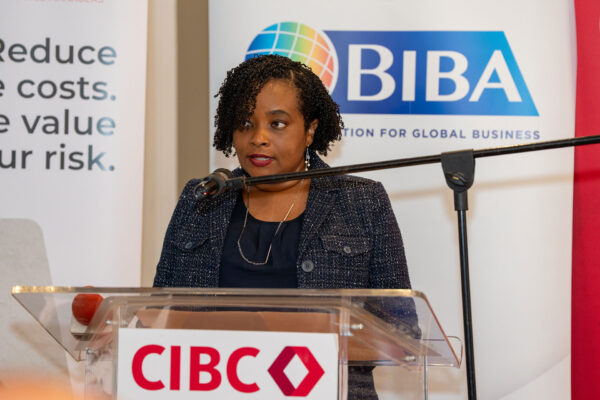
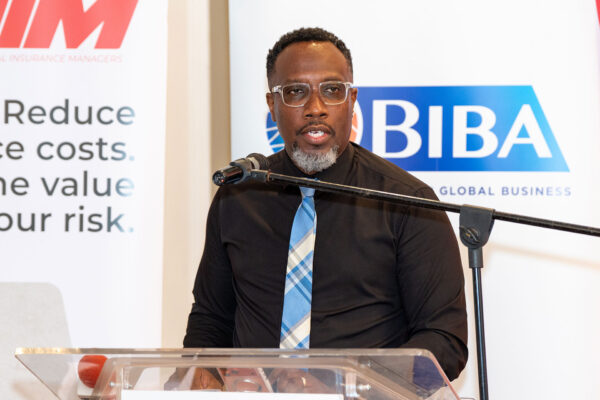
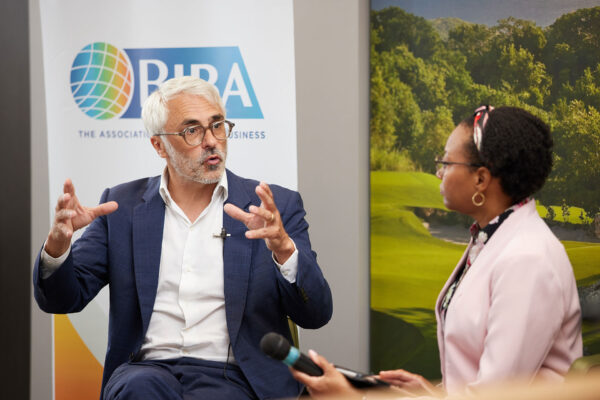
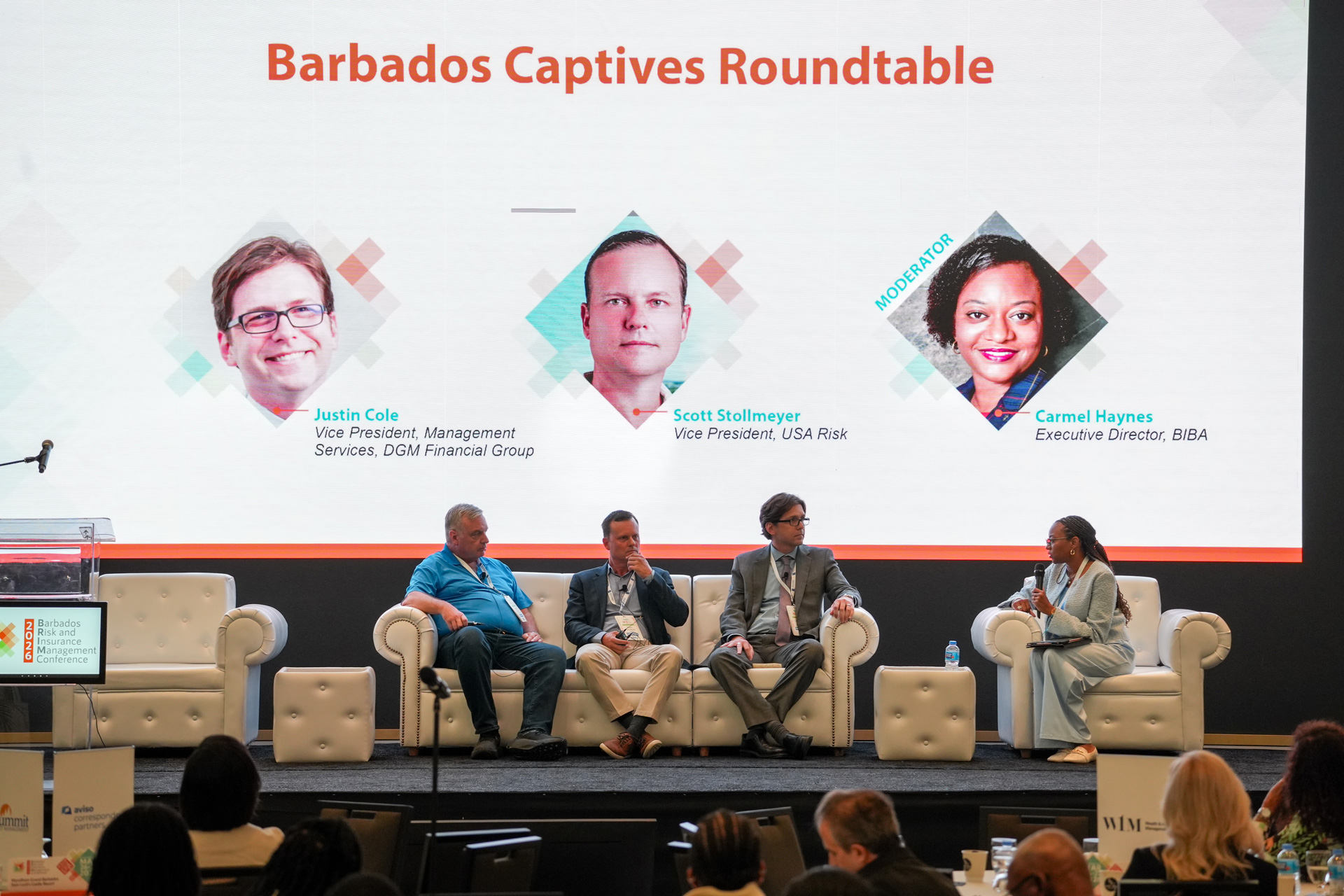
That was the central takeaway from a panel discussion at the recent Barbados Risk & Insurance Management (BRIM) conference, hosted annually by the BIBA, the Association for Global Business.
Local industry leaders Justin Cole Vice President of DGM Captive Management, Scott Stollmeyer Vice President of USA Risk Group, along with Colin Mitchell of Great Pacific Group outlined both the pressures confronting the sector and the opportunities that could define the next phase of growth.
Statistics from the Barbados Financial Services Commission (FSC) shared during the BRIM discussion moderated by BIBA’s Executive Director Carmel Haynes, showed Canadian-owned captives declined from 51 percent of the marketshare in 2021 to 43 percent in 2025.
However, this shifting trend, was viewed against growth from other non-traditional markets.
Cole underscored the need for Barbados to continue diversifying its client base, a process that is already underway, with growing interest coming from Latin America, the Caribbean, and even the Middle East.
Stollmeyer described Latin America as an “untapped market,” pointing to a recent surge in applications from the region. While this diversification was encouraging, he stressed it also highlighted the urgency for Barbados to position itself strategically in emerging markets to offset declines from traditional sources.
Still, Mitchell cautioned that delays in licensing approvals, banking processes, and administrative procedures could risk Barbados falling behind other domiciles.
“Sometimes it takes too long to get a licence. . . to open up a bank account, [or] get a letter of credit,” he said, noting that speed and efficiency were critical factors for international clients.
The panel did highlight areas of progress. The FSC’s move toward automating aspects of the licensing process was welcomed by panellists as a step in the right direction, one that could help Barbados close the gap with more agile competitors.
They were also unanimous in identifying Barbados’ people as its greatest competitive advantage.
Mitchell emphasised that the island’s deep pool of highly educated professionals, lawyers, accountants, bankers, and insurance specialists sets it apart from other offshore jurisdictions.
This “homegrown talent,” as moderator Haynes described it, reduced reliance on imported expertise, ensured continuity, institutional knowledge, and a high standard of service delivery.
Another area of strength identified by the panel was the sector’s ongoing evolution. The rise in Class 2 captive licences which grew from 77 to 99 in recent years, signalled increasing interest in more sophisticated third-party risk.
Additionally, legislative changes have enabled more regional and Barbadian entities to establish captives, broadening the industry’s base.
Panellists stressed that maintaining the island’s competitiveness in the captive sector will require deliberate action. Reform of the regulatory and administrative processes is a priority as clients continue to compare jurisdictions based on speed to market.
Mitchell, who has over 30 years’ experience in the captive sector, noted in sending a message to the next generation that captive managers must go beyond technical compliance and develop deeper expertise in insurance operations to effectively manage clients’ businesses.
By Geralyn Edward for BIBA, the Association for Global Business